Why paint on masonry is a problem
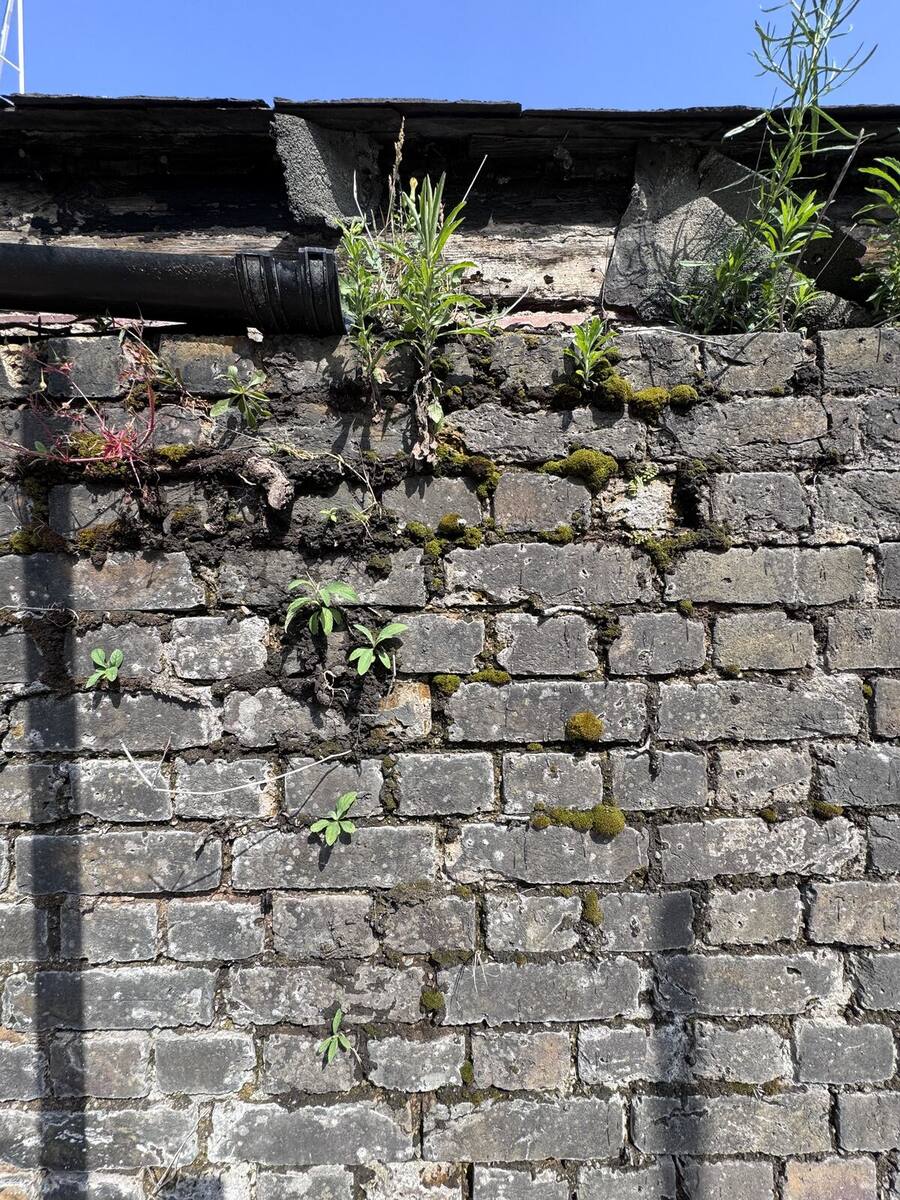
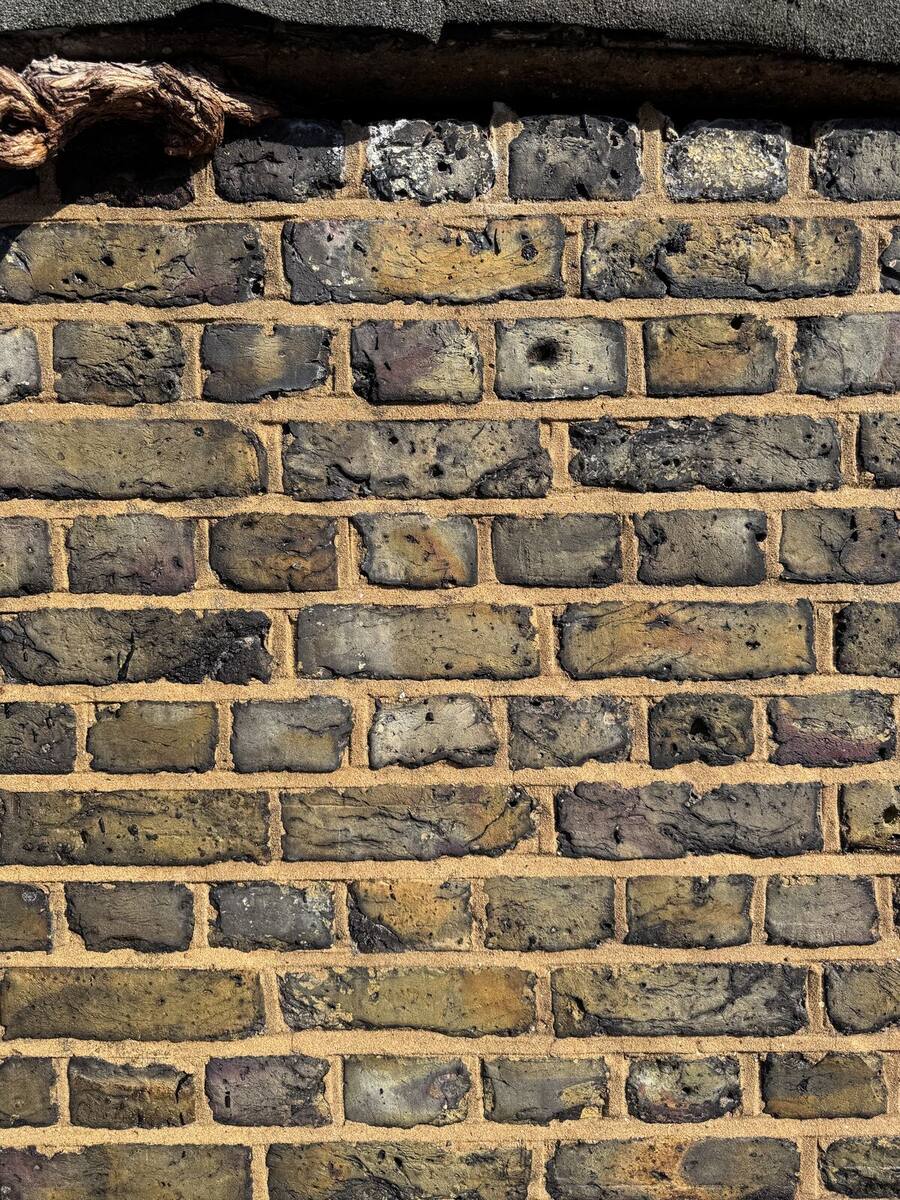
Historic stone and brick is vapour-permeable. Moisture moves through the material in both directions: into the wall during wet weather, out again as it dries. This breathability is a structural property of the building fabric, not incidental. It is why lime mortar was specified and why the stone or brick itself was never painted in traditional construction.
Modern masonry paint, whether emulsion or acrylic, forms a film on the surface that restricts vapour movement. Moisture that enters the wall from within, through rising damp, condensation, or lateral penetration, cannot escape through the painted face. It migrates to where it can escape, typically through mortar joints, window surrounds, or areas where the paint film has failed. Where it cannot escape, it accumulates, carrying dissolved salts, and cycles through wetting and drying as the seasons change. The consequence is salt crystallisation within the masonry, which causes the surface to spall and disintegrate from beneath the paint.
Paint also obscures damage. Cracks, spalling, failed mortar joints, and early signs of structural movement are all hidden under a uniform painted surface. By the time the paint begins to fail, the underlying condition is often significantly worse than it would have been had the building remained unpainted.
Paint types and how they are removed
Masonry paint (modern emulsion or acrylic) is the most common type found on London period properties. Where the paint is already failing and lifting, mechanical removal by hand is often the safest approach, followed by DOFF steam to address residual film and prepare the surface. Where the paint is well-adhered and intact, a chemical poultice is applied: a paste of sepiolite or attapulgite clay mixed with a solvent or alkali is worked into the surface, covered with sheeting to retard evaporation, left for a dwell period, and then removed along with the softened paint. Multiple applications are usually required. The method is slow but does not damage the underlying masonry.
Limewash is a traditional coating applied in thin, breathable layers. On buildings where limewash has been maintained correctly and applied at the right consistency, it weathers and erodes naturally and poses no long-term problem. Where it has accumulated in many thick coats, or where a modern masonry paint has been applied over old limewash, the coating can be substantial. DOFF steam is effective on limewash: the heat softens the carbonated layers and they lift cleanly. On very thick accumulations, poultice pre-treatment may be needed.
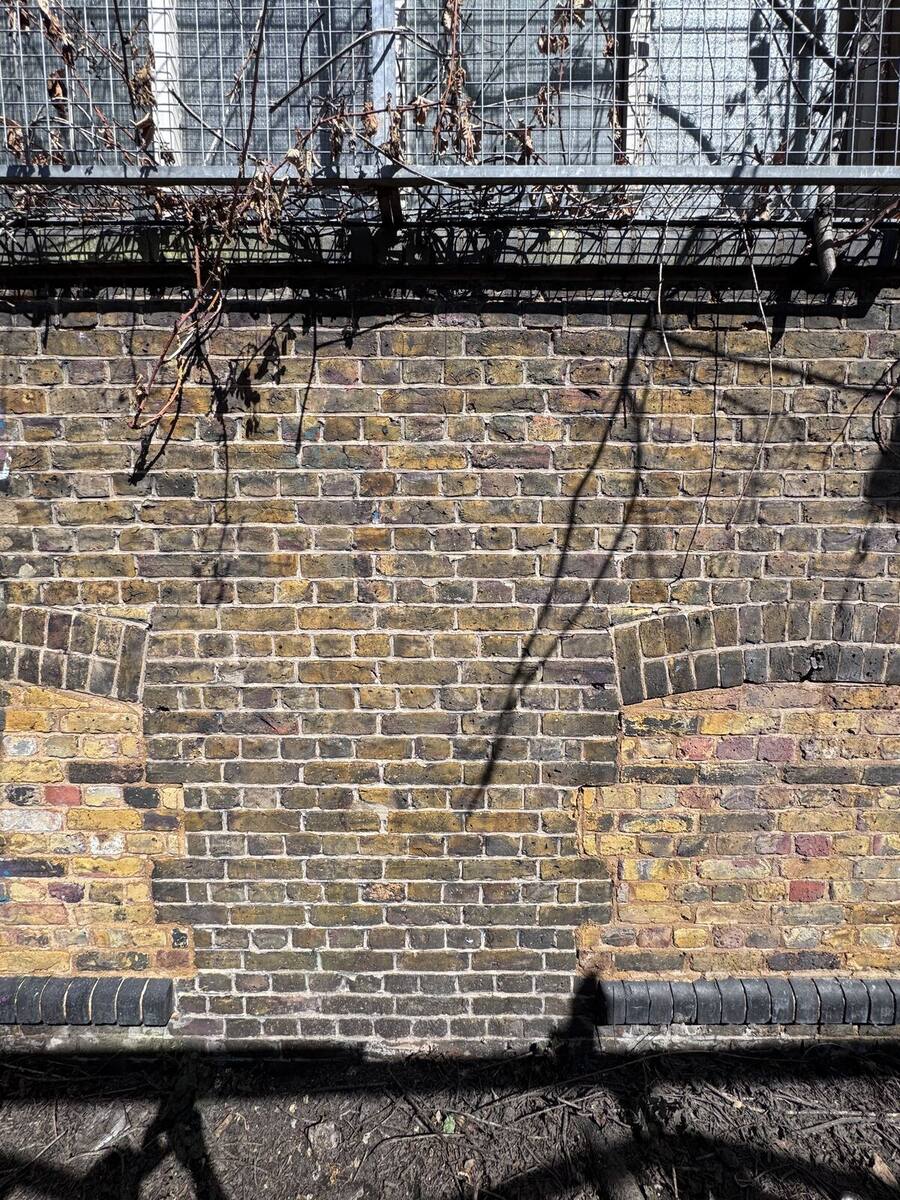
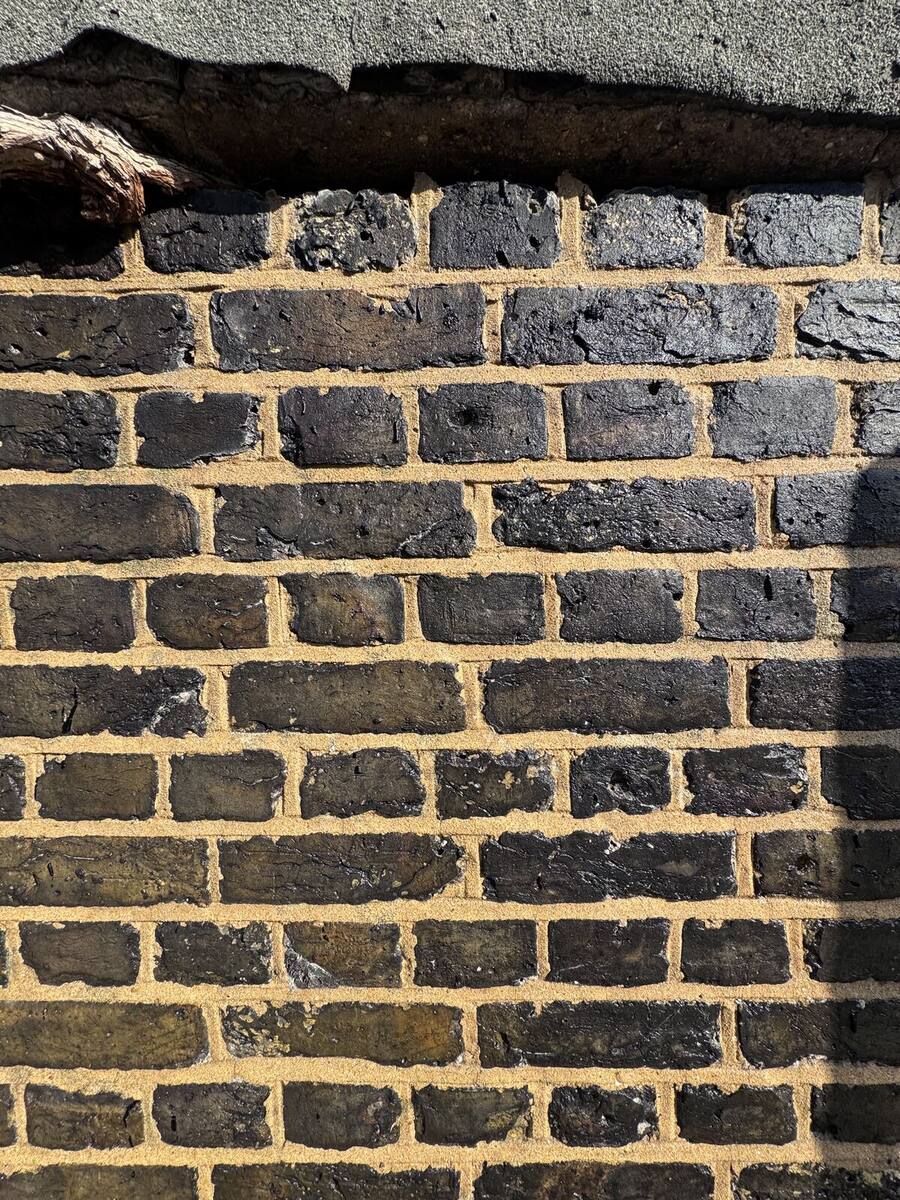
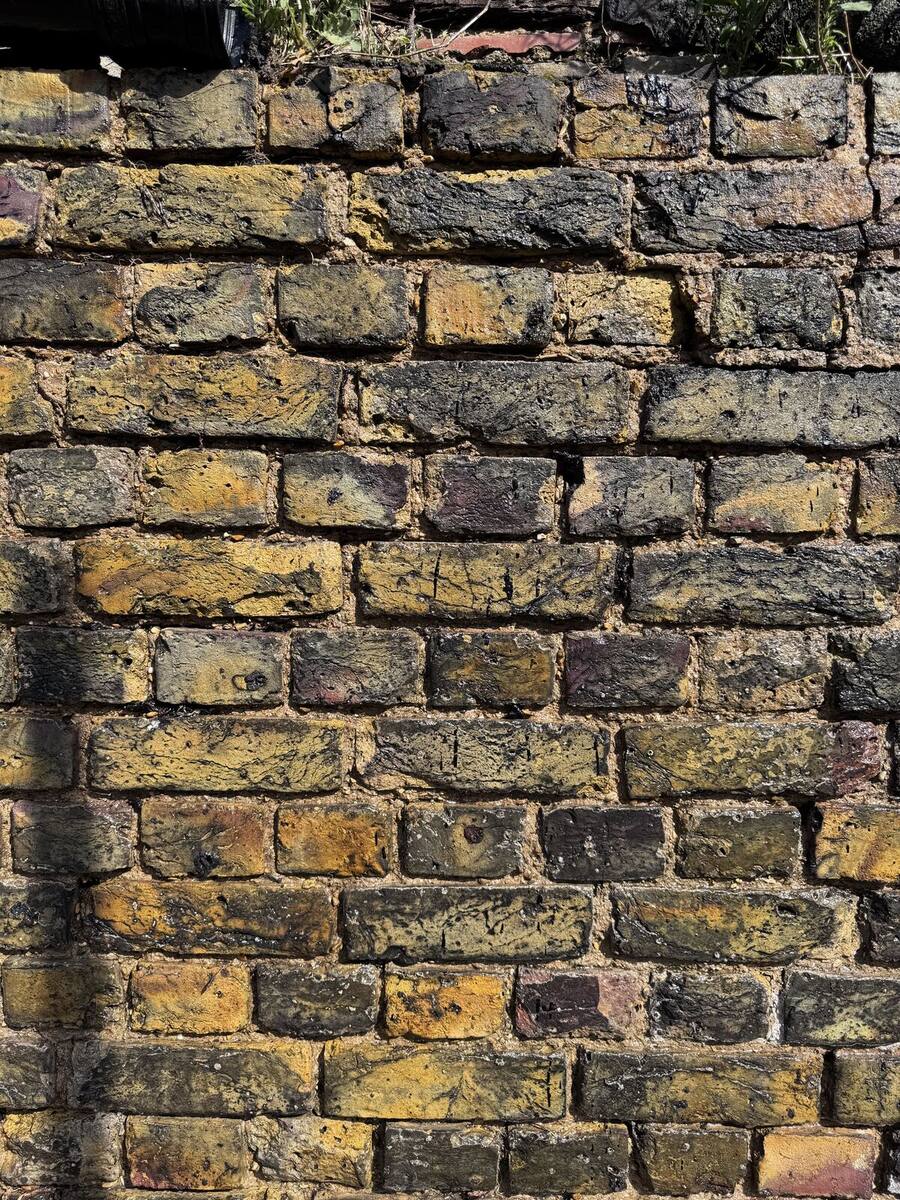
Bituminous and tar-based coatings were widely applied to Victorian basements, vaults, and lower courses as a waterproofing measure. They are extremely resistant to most cleaning methods and require specific solvent-based poultice systems. The solvents used are selected for compatibility with the substrate, and dwell times are extended to allow full penetration of the coating before removal. This is time-consuming work, but it is the only approach that achieves removal without mechanical damage to the underlying stone or brick.
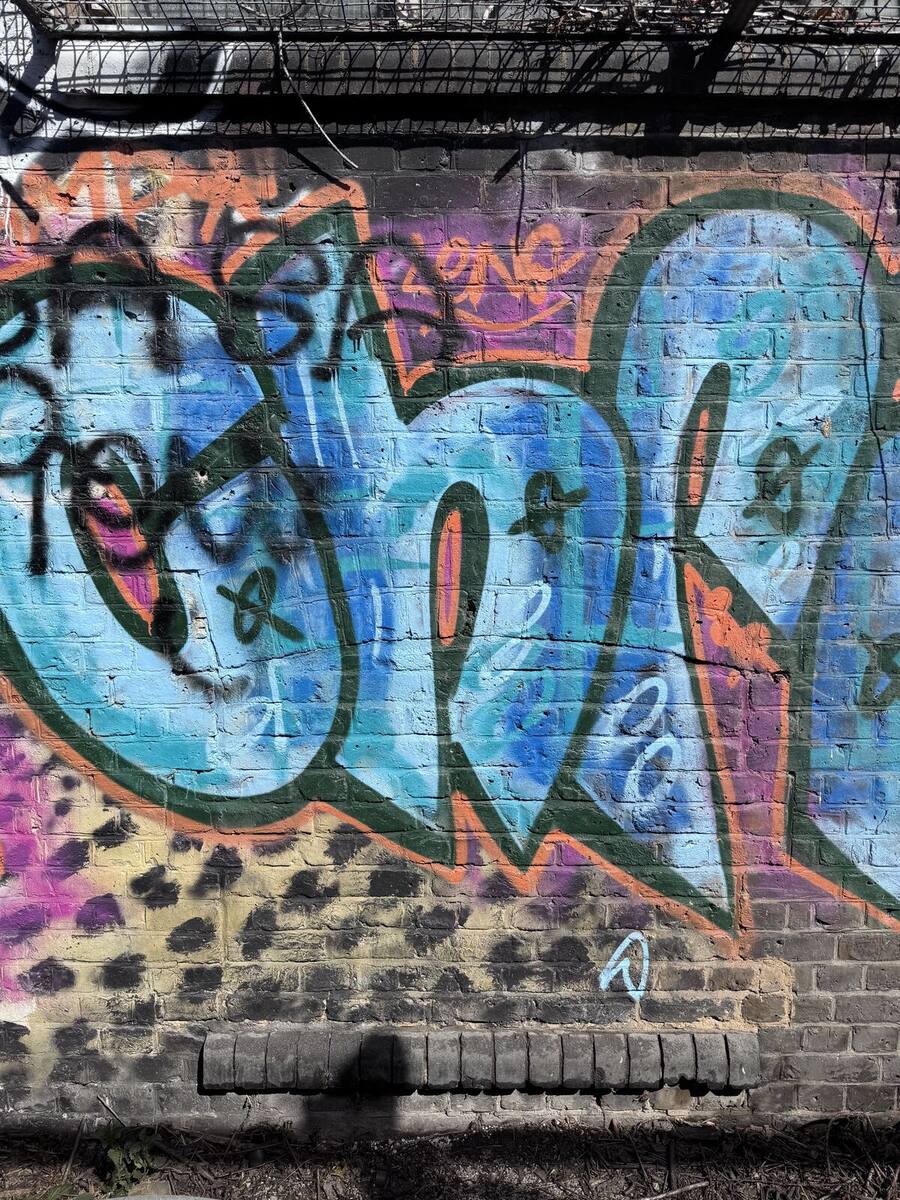
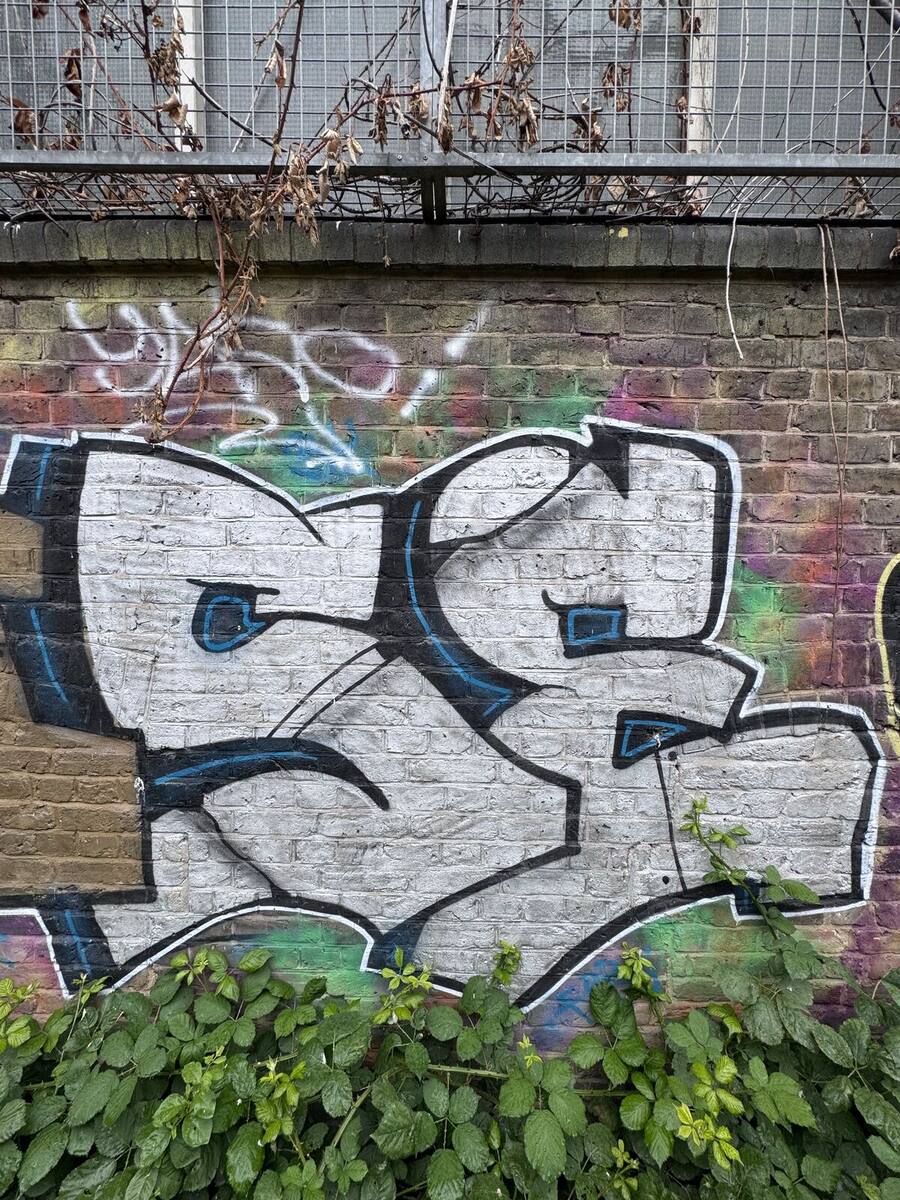
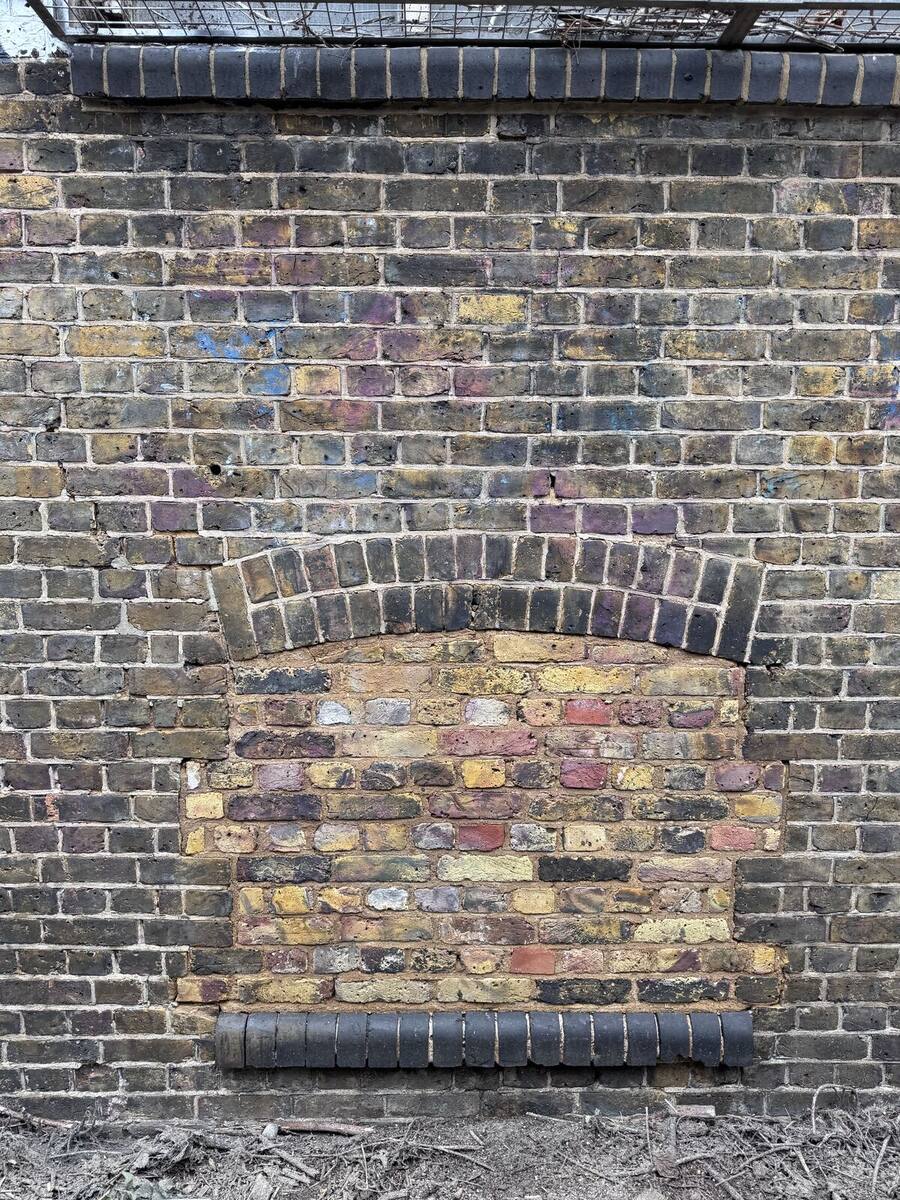
Graffiti from modern aerosol paint can usually be removed from dense stone and hard brick with targeted chemical poultice. On porous soft brick such as London stock, aerosol paint penetrates the surface layer and complete removal is sometimes not possible without risking the brick face. In these cases we advise on the practical options, which may include partial removal and acceptance of residual staining, or overpainting with a breathable lime wash if the client considers this acceptable.
What not to use on painted historic masonry
Caustic soda stripping is sometimes proposed for paint removal from masonry, usually by contractors more familiar with timber stripping. Caustic soda is highly alkaline and reacts chemically with calcium carbonate-based masonry, etching the surface and dissolving the binding agent in cement mortar. On Portland stone, limestone, or any brick with a chalk component, it causes direct chemical damage. It is not appropriate on historic masonry.
Grit blasting removes paint effectively but also removes the masonry surface. The two are not separable in practice. On any stone or brick where the original surface texture and tooling are of value, grit blasting is not an acceptable specification.
High-pressure water alone does not remove well-adhered paint. It removes only failing paint and forces water behind intact film, accelerating the delamination cycle without producing a clean substrate. It is often proposed because it is fast and cheap. It does not work.
Listed buildings and conservation areas
Removing paint from a listed building requires listed building consent in most circumstances. The paint forms part of the building as listed, and its removal is a material alteration. The method statement submitted for approval covers the paint type, removal method, dwell times, and the approach for dealing with any residual staining or surface preparation.
In conservation areas, removal of paint applied relatively recently to an unlisted building may not require consent, but advice from the local planning authority should be sought before works begin. We can assist with pre-application enquiries as part of the initial service.